Datgelu’r Dŵr
My practice explores themes of displacement, identity, and visibility. I am drawn to domestic materials and gestures—washing lines, clothing, fragments of the everyday—that carry memory and embody the intimate spaces of belonging and loss. My work emerges from lived experience: of masking, of living unseen, of navigating the fragile border between silence and voice.

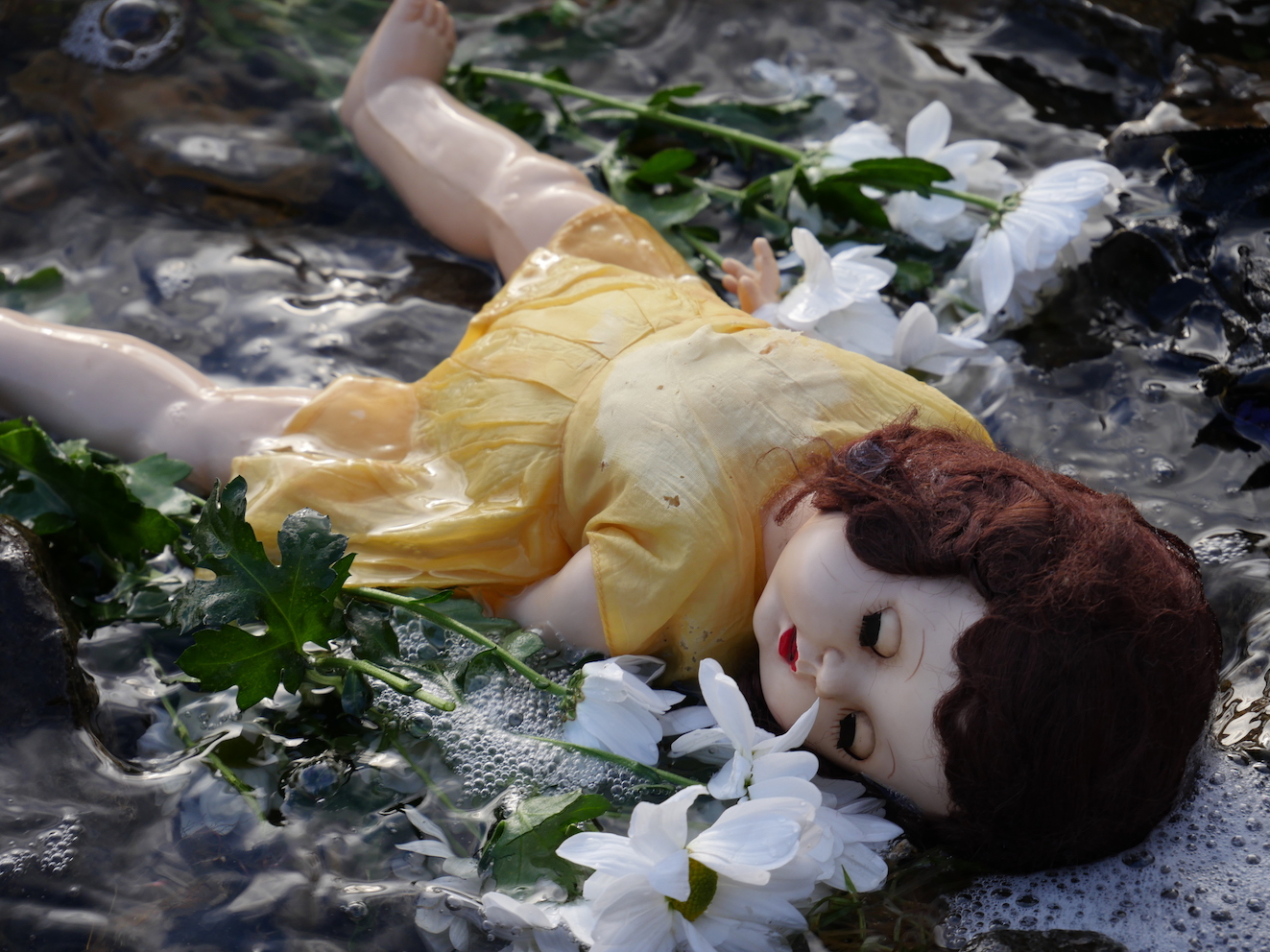
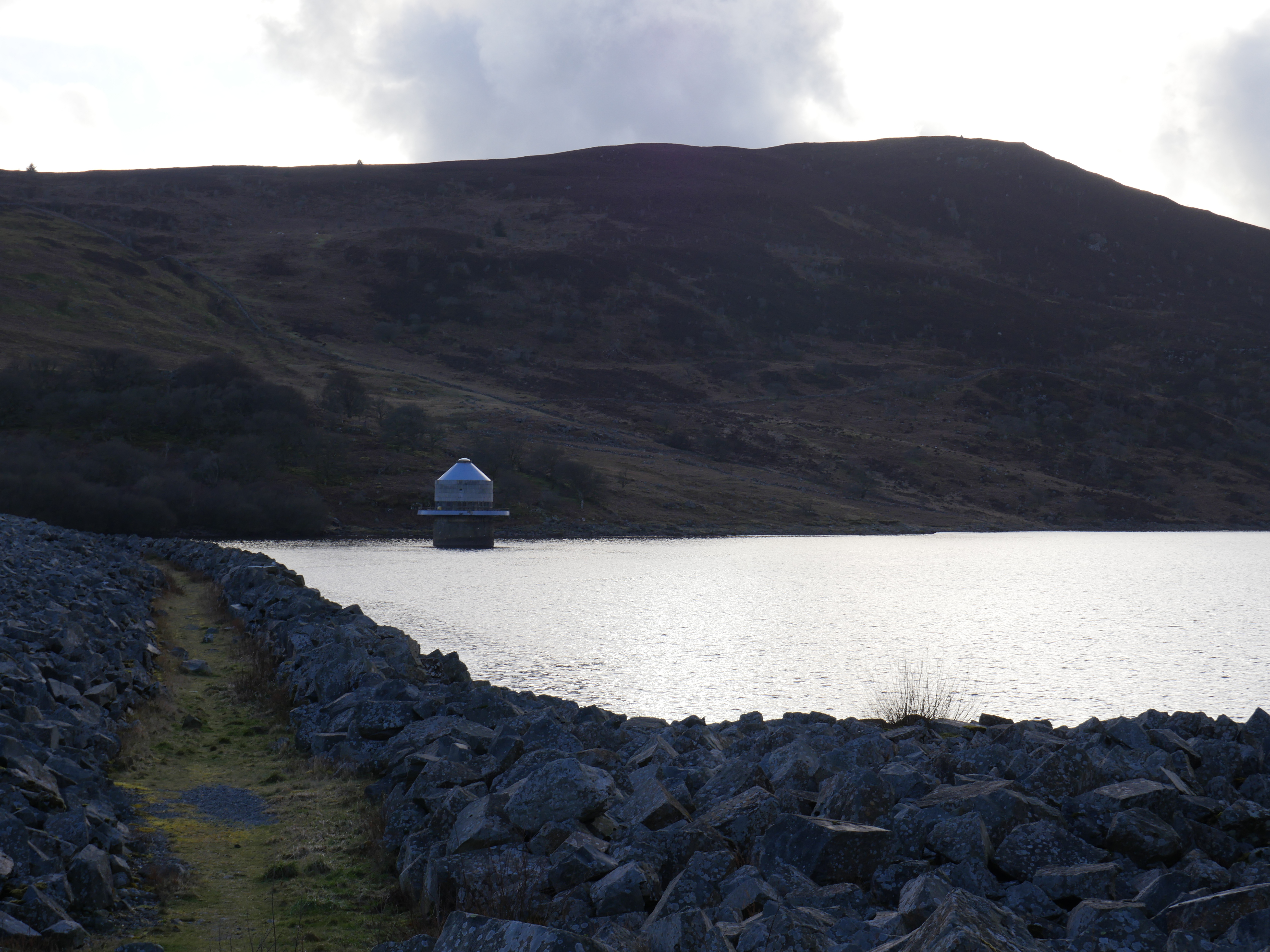
When I first engaged with the story of Tryweryn and the flooding of Capel Celyn, it was as a witness to history. I was moved by the injustice of an entire village submerged to supply water for another city, and I responded intuitively to the presence of absence I felt at the reservoir: the still surface, the silence that seemed to cry out, the weight of a community erased. My early interventions were acts of remembrance, gestures of empathy for what had been submerged.


“I remember standing at the edge of the water. The stillness pressed against me — it was not quiet, but charged, like a silence that wanted to speak. I could not leave it untouched.”
Michelle Wright


It is only in reflection, through the lens of the Being Seen project, that I recognise the metaphorical significance of Tryweryn within my own practice. The drowned village has become a mirror for my personal story: years of living masked, hidden from view, surfacing only in fleeting glimpses before retreating again. Just as drought reveals the outlines of the houses beneath the water, my own identity would emerge briefly before being pushed back below the surface.
“For so long, I wore the mask of who I thought I should be. Only now, looking back, I see how the drowned village spoke for me — what was submerged still existed, waiting for the right conditions to rise.”
Michelle Wright
This realisation arrived slowly, with hindsight. Tryweryn has shifted in my work from being solely a historical subject to becoming a catalyst for understanding visibility itself: what it means to be absent yet not erased, submerged yet insistent. In this way, the project is both memorial and metaphor—honouring those displaced by the flooding while also illuminating the complexities of my own journey toward being seen.


The Being Seen project crystallises this understanding. It is not simply about stepping into visibility, but about acknowledging what has long been hidden, listening to silenced voices, and reclaiming what has been suppressed. To be seen is to recognise both the collective and the personal dimensions of invisibility, and to hold them with truth, respect, and care.
“Being seen is never simple. It means revealing what was masked, but also learning how to see others — truthfully, carefully, without erasure. Tryweryn has taught me that visibility is both a gift and a responsibility.”
Michelle Wright



 Michelle Wright, Fine Artist